
Giving Every Tortoise the Care It Deserves
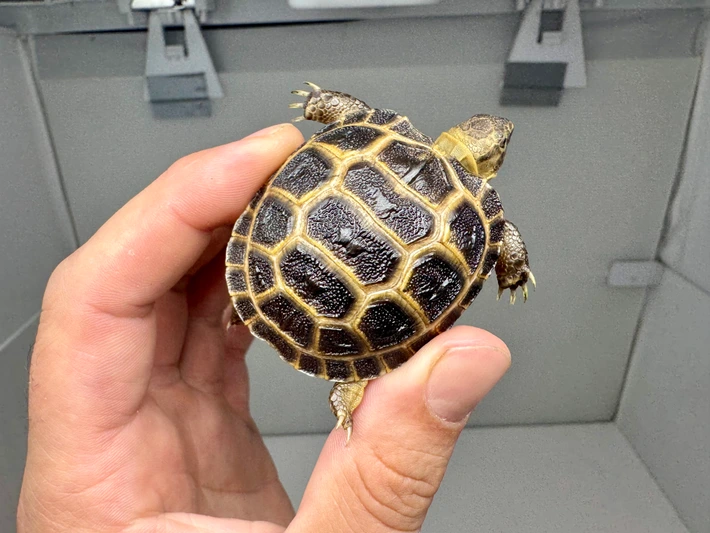

At Tortopian Premium, we believe that selling a tortoise is only the beginning of our responsibility. A healthy tortoise needs the right environment, nutrition, hydration, temperature, lighting, and daily care to thrive.
Our approach to tortoise care is built around one simple principle:
Healthy tortoises start with responsible care.
Whether you are preparing for your first tortoise or have years of experience keeping reptiles, this guide will help you understand the essentials of providing a safe, healthy, and enriching environment.
Because every species has different requirements, always use species-specific care information and consult a qualified reptile veterinarian when you have concerns about your tortoise’s health.
Our Standard of Care
Care Begins Before Your Tortoise Finds a Home
At Tortopian Premium, we pay close attention to the health and development of every tortoise in our care.
Our daily care program focuses on:
- Appropriate species-specific nutrition
- Clean and suitable living environments
- Proper temperature and humidity
- Access to clean drinking water
- Appropriate UVB exposure
- Regular observation and health monitoring
- Safe and spacious enclosures
- Proper hydration
- Natural movement and enrichment
- Responsible handling
- Early identification of potential health concerns
We believe prevention is one of the most important parts of reptile care. Small changes in appetite, activity, shell condition, behavior, or appearance can sometimes indicate that a tortoise needs attention.
Why rely on us?
Before Bringing Your Tortoise Home
Prepare the Habitat First
One of the most important things you can do is prepare your tortoise’s habitat before your new companion arrives.
Your enclosure should already have:
A Suitable Enclosure
Tortoises need adequate space to walk, explore, exercise, hide, and regulate their body temperature.
The enclosure should be large enough for the species and should generally become larger as your tortoise grows.
Avoid relying on small decorative reptile tanks for species that require significant floor space.
A Secure Environment
Your enclosure should protect your tortoise from household hazards, other animals, extreme temperatures, and escape.
Outdoor enclosures should be secure from predators and should provide shaded areas, hiding places, and protection from harsh weather.
Appropriate Substrate
Choose a substrate appropriate for your species and enclosure.
The substrate should allow natural movement and, where appropriate, digging or burrowing while minimizing risks associated with accidental ingestion.
Avoid substrates that are dusty, chemically treated, sharp, or unsuitable for your tortoise’s species.
Temperature
Tortoises Need a Temperature Gradient
Tortoises are ectothermic animals. They rely on their environment to regulate their body temperature.
A good enclosure should therefore provide different temperature zones rather than keeping the entire enclosure at one temperature.
Your tortoise should have access to:
Warm Area
A warmer basking area allows your tortoise to raise its body temperature and become active.
Cool Area
A cooler section gives your tortoise the ability to move away from the heat when necessary.
Hiding Area
A secure hiding place provides shade, privacy, and a sense of safety.
Temperature requirements vary considerably between species, age, enclosure type, and climate.
Always follow the recommended temperature range for your specific tortoise species and use reliable thermometers to monitor the enclosure.
Never Guess Your Temperatures
A thermometer is one of the most important pieces of equipment in a tortoise enclosure.
We recommend monitoring different areas of the habitat rather than relying on a single temperature reading.
UVB Lighting
Essential for Healthy Development
UVB lighting plays an important role in proper calcium metabolism and bone and shell development for many commonly kept tortoise species.
For indoor habitats, provide an appropriate reptile UVB source according to the species’ requirements.
UVB lighting should be:
- Appropriate for the species.
- Positioned at the correct distance.
- Installed according to the manufacturer’s instructions.
- Replaced according to the manufacturer’s recommended schedule.
- Used alongside an appropriate heat source.
Remember that UVB bulbs do not provide the same function as ordinary household lighting.
Whenever possible and safe for the species and climate, appropriately managed natural sunlight can also be valuable.
Never place a glass enclosure in direct sunlight as a substitute for proper outdoor housing. Glass can trap heat and cause dangerous temperatures.